Website Optimization Strategies for Improved User Experience
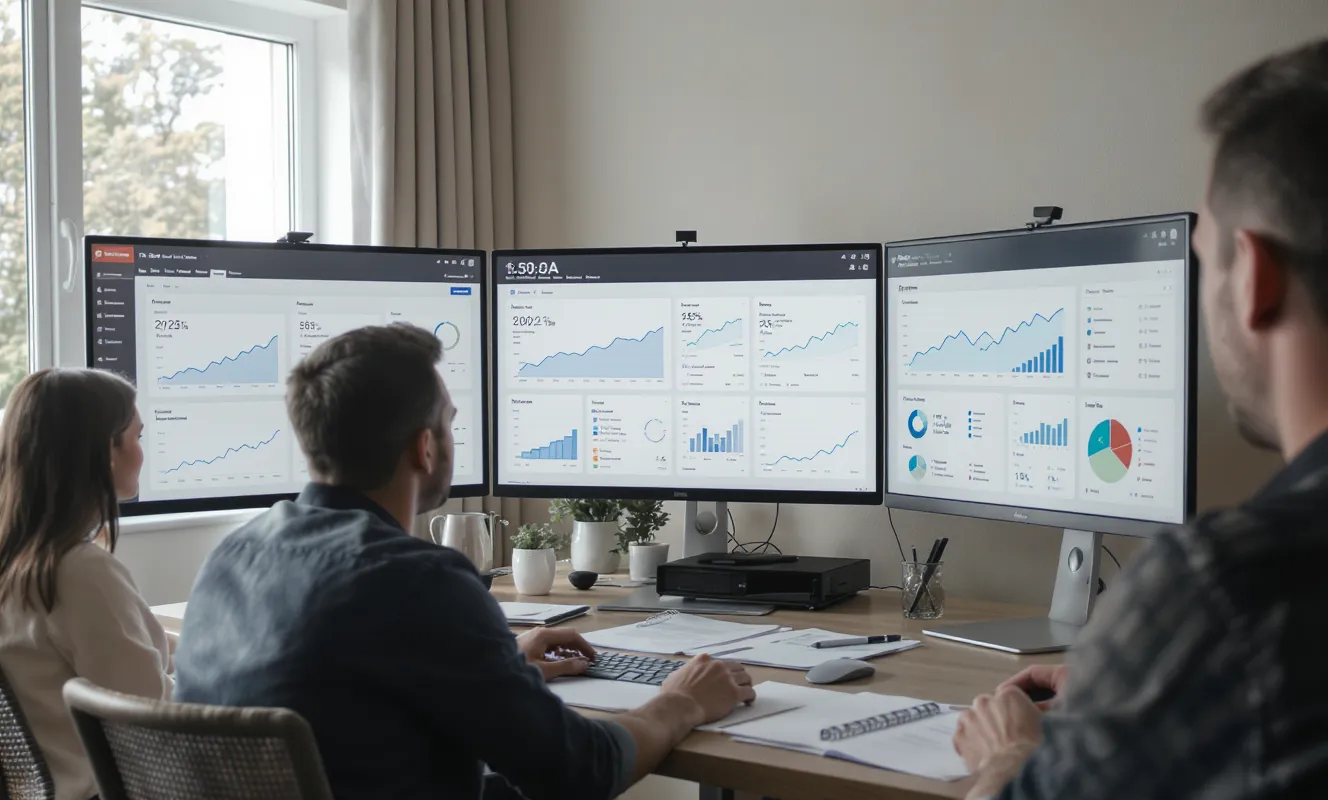
In today’s competitive digital landscape, Website Optimization for improved user experience is not just a design choice, it’s a strategic necessity. For SEO agencies, digital marketing firms, SaaS startups, e-commerce brands, and freelancers, the stakes are high: user experience directly impacts search rankings, conversion rates, and customer loyalty. With AI-driven tools like WhiteLabelSEO.ai enabling scalable content automation and technical SEO enhancements, the opportunity to merge UX excellence with SEO performance has never been greater.
Poor UX can be a silent killer for online businesses. Studies show that 57% of users are less likely to recommend a business if they have a poor website experience (Forbes Advisor, 2025). Conversely, 74% of visitors are more likely to return to a site with good mobile UX (UserGuiding, 2025). This article explores comprehensive Website Optimization strategies, rooted in data, technology, and design, that can transform your website into a high-performing, user-friendly asset.
INP (Interaction to Next Paint) optimization, coupled with AI-driven performance tools, will define the next era of website speed and responsiveness. Businesses that ignore these metrics risk losing competitive ground.
Prioritizing Mobile-First Website Optimization for Retention and Conversions
Mobile usage dominates internet traffic, and mobile-first design is no longer optional, it is the default approach for modern Website Optimization. Responsive design ensures that websites adapt seamlessly to different screen sizes, enhancing accessibility and user engagement.
Key strategies include:
- Implementing fluid grids and flexible images
- Using mobile-friendly navigation menus
- Prioritizing fast load times on mobile devices
According to UserGuiding, 90% of smartphone users continue shopping if their mobile experience is smooth. This statistic alone underscores the financial impact of mobile UX optimization.
| UX Metric | Impact on Retention | Source |
|---|---|---|
| Good Mobile UX | 74% higher return rate | UserGuiding |
| Smooth Mobile Shopping | 90% continue purchases | UserGuiding |
| Poor UX | 57% lower recommendation | Forbes Advisor |
When mobile users have a positive experience, they are more likely to engage with your content, share it, and return for future interactions. Beyond basic responsiveness, mobile-first design involves prioritizing critical content for smaller screens, using touch-friendly elements, and ensuring that calls-to-action remain highly visible. For example, a SaaS landing page should display its primary sign-up button prominently above the fold on mobile. Page speed is especially critical; Google research shows that as page load time increases from one to three seconds, the probability of a mobile user bouncing increases by 32%. By leveraging techniques like lazy loading, compressing images without quality loss, and minimizing JavaScript execution, businesses can ensure their mobile experiences are smooth and fast. Additionally, considering mobile-specific search intent can inform content structure. Local queries, quick informational lookups, or transactional actions often dominate mobile behavior, and aligning with these needs boosts both engagement and conversions.
Leveraging AI for Automated Website Optimization and UX Enhancements
AI technology is revolutionizing Website Optimization by automating processes that traditionally required significant manual effort. Platforms like WhiteLabelSEO.ai Blog integrate seamlessly with CMS systems to deliver AI-generated, brand-voice-aligned content, technical SEO recommendations, and real-time performance insights.
Benefits for agencies and businesses include:
- Automated keyword research and clustering
- Predictive UX enhancements based on user behavior
- AI-driven personalization for different audience segments
Organic search is not just a traffic source, it's a compound growth asset. Investing in evergreen content and link building pays dividends far beyond paid campaigns.
AI can also help identify bottlenecks in UX, such as slow-loading pages or confusing navigation, and suggest fixes that align with Google’s Core Web Vitals. In addition, AI-driven A/B testing platforms can automatically experiment with variations of headlines, layouts, or CTA placements to determine which versions yield the highest engagement. Machine learning algorithms can analyze historical user data to predict future behavior, allowing for proactive optimizations rather than reactive fixes. For example, if AI detects a drop in engagement after a certain section of a landing page, it can recommend moving critical information higher up or adjusting messaging to maintain interest. Automated SEO audits powered by AI can catch issues like orphan pages, broken schema markup, or improper canonicalization before they impact rankings. By offloading these repetitive but essential tasks to AI, marketers and developers can focus on creative strategy and higher-level decision-making, ultimately creating a more agile and responsive optimization process.
Optimizing Core Web Vitals for Website Optimization Performance Gains
Google’s Core Web Vitals, LCP (Largest Contentful Paint), CLS (Cumulative Layout Shift), and INP (Interaction to Next Paint), are critical for both SEO and user experience. Improving these metrics can lead to better rankings and happier visitors.
Actionable steps:
- Minimize render-blocking resources
- Optimize images and use next-gen formats (WebP, AVIF)
- Reduce server response times with CDN integration
According to UXify, focusing on INP is particularly important in 2025, as it measures interactivity responsiveness, a key factor in retaining users.
| Core Web Vital | Definition | Optimization Technique |
|---|---|---|
| LCP | Measures load speed | Compress images, improve hosting |
| CLS | Measures visual stability | Reserve space for media |
| INP | Measures interactivity latency | Optimize event handlers |
Addressing these metrics proactively ensures your site meets Google’s performance expectations while delighting users. For instance, optimizing LCP often involves improving the loading time of the largest image or text block visible on the page. This could mean using a content delivery network (CDN) to serve assets closer to the user’s location, reducing server latency, or preloading critical resources. CLS improvements might require setting explicit size attributes for images and videos to prevent layout shifts as content loads. INP, the newest addition to Core Web Vitals, encourages developers to streamline event handlers and minimize main-thread blocking scripts so that user interactions like clicks and taps respond instantly. Businesses that consistently monitor and fine-tune these vitals not only benefit from higher search rankings but also create a smoother, frustration-free user journey, which translates directly to better conversion rates.
Integrating Video for Engagement and Website Optimization SEO
Video content is a proven method to increase dwell time and engagement. Embedding relevant, high-quality videos can boost SEO rankings, as Google often prioritizes multimedia-rich pages.
Best practices:
- Host videos on YouTube for SEO synergy
- Use descriptive titles and transcriptions
- Place videos strategically within content
For example, e-commerce brands can use product demo videos, while SaaS startups can showcase platform tutorials. Beyond engagement, videos contribute to SEO by increasing the amount of time users spend on a page, which can signal relevance and quality to search engines. Including transcripts not only improves accessibility but also gives search engines additional text to index, broadening keyword coverage. Interactive videos, such as clickable tutorials or embedded quizzes, can further boost engagement metrics. Additionally, optimizing video load performance through techniques like lazy loading and using compressed formats ensures that adding multimedia doesn’t negatively impact Core Web Vitals. Case studies show that adding a short explainer video to a landing page can increase conversions by up to 80%, underscoring the role of video as both a UX and a revenue driver.
Local SEO Website Optimization for Physical and Service-Based Businesses
Local SEO is vital for businesses that rely on geographic targeting. Google Business Profile management and Google Maps optimization can drastically improve visibility.
SearchAtlas reports that 52% of businesses prioritize Google Business Profile management, and 88% of consumers use Google Maps for local discovery.
Steps to optimize:
- Keep NAP (Name, Address, Phone) consistent
- Collect and respond to customer reviews
- Add location-specific keywords to metadata
Beyond these basics, local SEO success often depends on regularly updating your Google Business Profile with fresh content, such as posts about promotions, events, or new products. Encouraging satisfied customers to leave detailed reviews can improve both ranking and click-through rates, as positive ratings act as powerful social proof. Embedding a Google Map on your contact page can enhance local relevance signals. For service-based businesses, creating dedicated landing pages for each service area or location can capture more local search queries. Additionally, leveraging local backlinks from chambers of commerce, local blogs, or regional news outlets can strengthen your authority in a given geographic market. Voice search optimization is also increasingly relevant for local queries, as users often ask their smart devices for nearby services, ensuring your content aligns with conversational search phrases can capture this traffic.
Implementing Inclusive and Accessible Design
Accessibility is both an ethical responsibility and a competitive advantage. Inclusive design ensures that users with disabilities can navigate and interact with your site effectively.
Strategies include:
- Alt text for images
- Keyboard navigability
- High-contrast color schemes
UserGuiding notes that accessibility improvements can significantly boost customer loyalty. Compliance with standards such as WCAG 2.1 not only reduces legal risks but also broadens your potential audience. For example, implementing ARIA (Accessible Rich Internet Applications) labels can help screen readers interpret dynamic content. Providing captions for videos benefits not just users with hearing impairments but also those in sound-sensitive environments. Designing forms with clear labels and error messages improves usability for everyone, not just those with cognitive disabilities. Furthermore, accessible design often overlaps with good UX principles, clear typography, logical content structure, and intuitive navigation benefit all users. Businesses that integrate accessibility from the start, rather than treating it as an afterthought, can build stronger brand reputations and tap into underserved markets.
Advanced Technical SEO Website Optimization for Scalable Sites
For agencies managing multiple client sites, technical Website Optimization scalability is essential. WhiteLabelSEO.ai supports headless CMS platforms, schema markup automation, and structured data enhancements.
Key tactics:
- Implement structured data for rich snippets
- Use canonical tags to prevent duplicate content
- Monitor crawl budgets for large sites
Scalable technical SEO also involves setting up automated monitoring systems that can flag issues across hundreds of pages or domains. For example, a sudden spike in 404 errors or a drop in indexed pages can be identified and addressed before it impacts traffic. Implementing hreflang tags correctly is critical for multilingual sites to ensure the right content is served in the correct region. Log file analysis can reveal how search engine bots are crawling your site, highlighting opportunities to optimize crawl paths and prioritize high-value content. With schema markup, going beyond basics to include FAQs, product availability, or event details can enhance SERP presence with rich results. By creating standardized templates and processes for these technical elements, agencies can maintain consistency and quality across multiple projects without reinventing the wheel each time.
Troubleshooting Common UX and Website Optimization Issues
Even optimized sites face challenges. Common issues include slow load times, broken links, and poor mobile rendering. Regular audits, both automated and manual, are critical.
Tools to consider:
- Google Search Console for indexing issues
- Lighthouse for performance audits
- AI-driven UX analysis tools
Beyond identifying issues, effective troubleshooting requires a prioritization framework. For instance, resolving a broken checkout flow on an e-commerce site should take precedence over fixing a minor visual misalignment. Heatmaps and session recordings can uncover unexpected friction points, such as users repeatedly clicking non-clickable elements. For SEO, tracking sudden ranking drops for key pages can indicate algorithm updates, technical errors, or backlink profile changes. Establishing a routine audit schedule, monthly for high-traffic sites, quarterly for smaller ones, ensures that small issues don’t compound into major problems. Cross-functional collaboration between developers, designers, and SEO specialists is essential to address issues holistically, as a fix for one area (e.g., reducing JavaScript for speed) can inadvertently impact another (e.g., breaking interactive features).
Summary Insights
Website Optimization is a multi-faceted process that blends design, performance, and SEO into a cohesive strategy. By leveraging AI, focusing on Core Web Vitals, integrating video, optimizing for local search, and ensuring accessibility, businesses can deliver exceptional user experiences that drive measurable results. The synergy between UX and SEO is particularly important: improvements in one often benefit the other. For example, faster load times not only reduce bounce rates but also improve search rankings. Similarly, accessible design can lead to better engagement metrics, which search engines may interpret as a sign of quality. Businesses that adopt a holistic approach, where content, design, and technology work in harmony, are better positioned to adapt to evolving algorithms and user expectations. The strategies discussed are not one-off tasks but ongoing processes that require monitoring, analysis, and refinement.
Conclusion
Enhancing user experience through strategic Website Optimization is a long-term investment with compounding benefits. For SEO agencies, startups, and brands, integrating AI-driven tools like WhiteLabelSEO.ai Analyze into your workflow can streamline processes and elevate performance. The actionable strategies outlined here, mobile-first design, AI automation, Core Web Vitals optimization, video integration, local SEO, inclusive design, and technical scalability, provide a roadmap for sustained digital success.
The takeaway: prioritize the user, align with search engine expectations, and embrace technology to stay ahead in the ever-evolving digital marketplace. In doing so, you not only meet current standards but also future-proof your digital presence against changes in technology, consumer behavior, and search algorithms. By committing to continuous improvement, measuring the impact of changes, and staying informed about industry developments, you can ensure that your website remains a powerful asset that attracts, engages, and converts visitors over the long term.